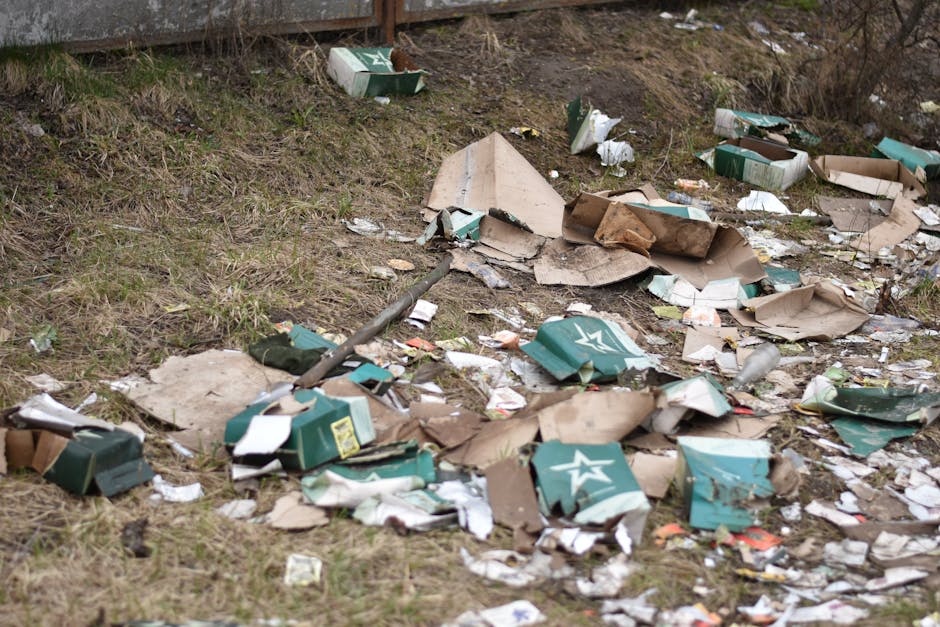
Dealing with fly-tipped waste on Turnham Green Terrace: a practical local guide
Fly-tipped waste is one of those problems that can turn a tidy street into a headache almost overnight. One day Turnham Green Terrace looks perfectly ordinary; the next, there's a dumped mattress, broken bags, old office junk, or a mystery pile that smells a bit off and blocks the pavement. If you're dealing with fly-tipped waste on Turnham Green Terrace, you usually need two things at once: a sensible plan and a quick response. This guide walks you through what to do, what to avoid, and how to handle the mess without making a bigger mess of it. A bit of calm goes a long way here.
Whether you're a resident, landlord, business owner, managing agent, or shop operator, the same basic rule applies: keep people safe, document what you can, and choose the clean-up route that fits the site. In some cases that means reporting the waste and waiting for the correct authority response. In others, it means arranging a prompt professional clearance. The trick is knowing which is which. And yes, that part can be annoyingly unclear at times.
For anyone wanting a broader sense of the company behind this kind of work, the team's about us page gives a helpful overview, while their recycling and sustainability commitments are useful if you want the waste handled responsibly rather than just moved out of sight.
Table of Contents
- Why Dealing with fly-tipped waste on Turnham Green Terrace Matters
- How Dealing with fly-tipped waste on Turnham Green Terrace Works
- Key Benefits and Practical Advantages
- Who This Is For and When It Makes Sense
- Step-by-Step Guidance
- Expert Tips for Better Results
- Common Mistakes to Avoid
- Tools, Resources and Recommendations
- Law, Compliance, Standards, or Best Practice
- Options, Methods, or Comparison Table
- Case Study or Real-World Example
- Practical Checklist
- Conclusion
- Frequently Asked Questions
Why Dealing with fly-tipped waste on Turnham Green Terrace Matters
Fly-tipped waste is not just an eyesore. On a busy London street, it can affect access, hygiene, safety, and how a place feels to walk through. Turnham Green Terrace has footfall, frontages, deliveries, cyclists, and pedestrians all competing for space, so even a small pile of dumped waste can create a proper nuisance. It can narrow the pavement, attract vermin, and make a property look neglected, which nobody wants.
There's also the reputational side. If waste sits outside a shop, office, or rental property for too long, people assume someone is not on top of things. Fair or not, that impression sticks. In our experience, business owners feel this most sharply. A single fly-tip can make a premises look less cared for than it actually is, and that's frustrating when you've worked hard to keep everything else in good order.
There's a practical issue too: the longer dumped waste remains, the more likely it is to spread. Bags split. Rain gets in. Sharp items move around. If there's food waste, cardboard, or mixed rubbish, one windy evening can leave litter scattered several metres down the terrace. You know how it goes. It starts with one bag and ends with a whole patch of pavement looking beaten up.
Expert summary: The best approach is usually simple: make the area safe, record what you can, decide whether the waste is public or private responsibility, and arrange removal quickly rather than letting the problem linger.
How Dealing with fly-tipped waste on Turnham Green Terrace Works
In practice, dealing with fly-tipped waste follows a straightforward sequence, although real life sometimes throws in awkward details. First, identify the type of waste and where it sits. Is it on the pavement, in a communal entrance, in a rear access lane, or inside private land? That distinction matters because it affects who should handle removal and how quickly it can happen.
If the waste is on public land, the local authority or relevant public service may need to be involved. If it's on private land, the landowner or occupier usually has to arrange the clearance. That sounds obvious, but people often assume "someone official" will just sort it. Sometimes they will. Sometimes they won't. The ownership question comes first.
Next comes risk checking. A pile of office chairs and paper is one thing. A load containing broken glass, unknown liquids, needles, asbestos suspect materials, or rotten food is another. If anything looks hazardous, do not touch it bare-handed and do not encourage staff, tenants, or passers-by to poke around. It's better to treat unknown waste cautiously than to be brave for five minutes and regret it for a week.
Once the site is assessed, the waste can be removed using the right method. That may be a small team with manual loading, a van and labour clearance, or a larger clearance visit with sorting and recycling. Responsible operators should separate recyclable materials where possible and dispose of the remainder through the proper channels. If you want to see how a responsible disposal process is framed, the company's terms and conditions and insurance and safety information are worth reviewing before booking anything.
Finally, there's prevention. After the clean-up, think about what made the dumping possible: poor lighting, easy rear access, bins left out too long, or a skipped collection. Small changes can reduce repeat incidents. It's not glamorous, but it works.
Key Benefits and Practical Advantages
There are some obvious benefits to dealing with fly-tipped waste properly and quickly, but a few of them get missed in the rush.
- Safety improves immediately. Clear pavements reduce the risk of trips, cuts, blocked exits, and awkward near-misses with prams or wheelchairs.
- The area looks cared for. A clean frontage tends to change how people behave around it. There's a subtle but real difference.
- Odours and pests are less likely. Especially where mixed rubbish or food waste has been dumped.
- Operations can continue. Shops, offices, and residential blocks can keep moving without waste blocking access or deliveries.
- Better recycling outcomes. If the waste is sorted, more of it can often be diverted away from landfill or general disposal.
- Fewer repeat problems. Once a site is cleared, it becomes easier to spot what contributed to the fly-tip in the first place.
There's also a quieter benefit: peace of mind. If you've ever stood outside a building at 8:15 on a damp Monday morning staring at a pile of dumped office junk, you'll know the feeling. It's not just about rubbish. It's about getting the place back under control.
Who This Is For and When It Makes Sense
This kind of service or guidance is relevant to a wider group than people sometimes expect. Fly-tipping doesn't only affect alleyways and vacant plots; it shows up beside commercial premises, near shared entrances, around bin stores, in parking areas, and sometimes right on the street edge.
It makes sense for:
- Business owners who need a frontage cleared quickly to keep customers and staff safe.
- Landlords and managing agents dealing with dumped waste in communal or access areas.
- Homeowners and residents who find bags, furniture, or black sacks left outside their property.
- Office managers who want a discreet clearance with minimum disruption.
- Retailers and hospitality operators trying to protect the appearance of the site.
Sometimes the decision is straightforward: the waste is not yours, but it is on your land, and you need it gone. Other times it's more nuanced. For example, if waste appears outside a shared building after a tenant move-out, you may need to confirm who left it before choosing the next step. That's where a quick photo record and a sensible site check save time.
Truth be told, most people do not want a long debate about responsibility when a pavement is blocked. They want the rubbish gone, safely, and preferably before the day gets much worse. Reasonable, really.
Step-by-Step Guidance
If you are dealing with fly-tipped waste on Turnham Green Terrace, a clear sequence helps. Here's a practical way to handle it.
- Check the area from a safe distance. Look for sharp objects, fluids, obstructed access, or anything that might need specialist handling.
- Take photos before moving anything. Useful for records, insurance, tenancy follow-up, or reporting.
- Identify whether the waste is on public or private land. That decision affects the next move.
- Separate obvious hazards from general waste. Don't mix unknown items with normal rubbish.
- Arrange the right removal route. Public land may need reporting; private land may need a booked clearance.
- Confirm disposal and sorting expectations. Ask how recyclable material will be handled and whether loading, labour, and disposal are included.
- Document the completed clearance. Before-and-after photos are worth keeping.
- Review prevention measures. Fixing the underlying cause matters almost as much as clearing the waste itself.
A small but useful detail: if the waste is near a shop entrance or office doorway, measure the clearance space before the team arrives. It saves time on the day and helps avoid unnecessary blockages. Nothing fancy. Just common sense.
If you want to make the process smoother, use the company's pricing and quotes guidance before booking, especially if the waste volume is uncertain or access is awkward. And if you need to speak to someone about a specific situation, the contact page is the right place to start.
Expert Tips for Better Results
Over time, a few patterns become obvious. The people who handle fly-tipped waste best are not necessarily the fastest movers; they are the ones who make clean decisions early.
1. Don't delay the first assessment. Even if you do not clear the waste immediately, a prompt check stops the problem from drifting into a bigger one.
2. Keep access in mind. On a narrow terrace or busy frontage, a clearance team may need a specific arrival window. Early mornings often work well. The street is quieter, deliveries are lighter, and nobody has to step around a pile of rubbish while carrying coffee and a laptop. Not ideal, but manageable.
3. Treat mixed waste as mixed risk. A pile that includes office waste, packaging, and household rubbish is not automatically simple. Hidden items are common. Old paint, batteries, and broken glass can all turn up where you least expect them.
4. Ask how the waste will be sorted. A credible clearance approach should not just "take it away." It should consider reuse, recycling, and lawful disposal. That's where a page like recycling and sustainability is actually useful, not just a box-tick.
5. Keep a repeat-incident log. If dumping happens more than once, note dates, times, weather, lighting, nearby works, and any changes in access. Patterns often show up after two or three incidents. Annoying, yes. But informative.
Common Mistakes to Avoid
There are a few mistakes that come up again and again. Some are harmless enough. Others create genuine risk.
- Touching unknown waste without protection. Gloves are not magical, but bare hands are worse.
- Assuming someone else will always remove it. That can lead to delays, especially on private land.
- Mixing hazardous items with general rubbish. This makes disposal harder and can increase risk.
- Ignoring access issues. If a clearance vehicle cannot get close enough, the job takes longer and costs more.
- Forgetting to photograph the scene. Documentation matters more than people expect.
- Choosing the cheapest option without checking disposal standards. Cheap can become expensive if the waste is not handled properly.
And here's a classic one: clearing the obvious pile but leaving the small scattered bits behind. The place may look "done" from ten metres away, but up close it still feels untidy. People notice that, especially on a busy street where foot traffic keeps dragging the eye across every detail.
Tools, Resources and Recommendations
You do not need an industrial toolkit to deal with fly-tipped waste, but a few basics make the process safer and calmer.
- Heavy-duty gloves for any visual inspection or handling by trained staff.
- Protective footwear if there is any risk of glass, nails, or sharp debris.
- Photo record from a phone or camera before the site changes.
- Bin bags or segregation containers if approved waste is being separated on site.
- Tape, cones, or temporary barriers where access needs to be managed.
- A simple incident note with date, time, location, and basic observations.
For many readers, the most useful "resource" is actually a good process. If you know who to contact, what to photograph, what not to touch, and how to judge the site safely, the whole thing becomes less stressful. That alone is worth a lot on a busy weekday.
If your main concern is cost, the most direct next step is to request a tailored estimate through the site's pricing and quotes information. Clear details usually produce a clearer quote. Funny how that works.
Law, Compliance, Standards, or Best Practice
When fly-tipped waste is involved, it is wise to keep legal and practical responsibilities separate in your mind. You may not need to know every detail of waste law to act sensibly, but you do need to avoid shortcuts that could create problems later.
In the UK, waste should be handled by people and businesses that are appropriately authorised to do so, and waste should not be moved or disposed of in a way that creates environmental or safety issues. That is the broad principle. On private sites, the landowner or occupier normally has a duty to arrange safe clearance. On public land, reporting and authority involvement may be appropriate. If there is any uncertainty, it is better to proceed cautiously than to guess.
Good practice usually includes:
- checking for hazardous or unusual items before removal;
- keeping records of what was found and when;
- using suitable vehicles and trained handlers;
- separating recyclable materials where practical;
- avoiding illegal dumping or untraceable disposal routes;
- making sure the work does not put people at risk during collection.
Health and safety is not just paperwork. On a narrow terrace, one rushed lift or one badly placed bag can make a small job awkward very quickly. If you want to see how a provider frames this responsibility, their health and safety policy and insurance and safety information are sensible reference points before you allow anyone on site.
One more practical point: if the waste contains electronics, confidential papers, or business records, it is worth thinking about information security as well as physical clearance. Not every pile is just rubbish. Sometimes it is a risk waiting to be noticed.
Options, Methods, or Comparison Table
There are usually a few ways to handle fly-tipped waste, and the right one depends on where the waste is, how much there is, and how risky it looks. Here's a simple comparison.
| Option | Best for | Pros | Limitations |
|---|---|---|---|
| Report and wait for public authority action | Waste on public land | Appropriate where the council or relevant authority should lead | May not be immediate; not ideal for urgent access issues |
| Manual clearance by trained operatives | Small to medium deposits, awkward access | Flexible, quick, good for tight spots | Needs proper handling and segregation |
| Scheduled commercial waste removal | Recurring issues at business premises | Good for repeat planning and prevention | May not suit a one-off emergency |
| Specialist handling for suspect hazardous items | Unknown, sharp, or contaminated waste | Safer and more controlled | Can take longer and require additional assessment |
For most people on Turnham Green Terrace, the choice comes down to urgency and ownership. If the waste is blocking a shopfront or footpath, speed matters. If it is on a shared but private access area, the plan may need a little more coordination. Not much, just enough to avoid confusion.
Case Study or Real-World Example
Here's a realistic example based on the kind of situation people often face, with the names and details kept general.
A small business near Turnham Green Terrace opened on a wet Thursday morning to find several black bags, a broken office chair, and a box of mixed packaging left beside the rear entrance. At first glance it looked manageable, but the bags had split slightly and there was loose material spreading into the access route. Staff could still enter, but deliveries would have been awkward and the entrance looked untidy enough to affect the whole day.
The first step was not to drag everything into a corner. Instead, the site was photographed, the waste was checked from a safe distance, and the access point was confirmed as private land. Once that was clear, a clearance was arranged for early the next day. The team separated recyclable cardboard from mixed rubbish, removed the chair and bags, and swept the area afterwards so there was no residue left behind. Small thing, but it made a real difference.
The business then adjusted bin storage so bags were not left near the rear gate, and the owner added a simple lighting check to the weekly routine. It was not dramatic. No grand plan. Just a few sensible changes that made repeat dumping less likely. That is often how these things go in real life.
Practical Checklist
Use this checklist if you need to act quickly and keep control of the situation.
- Confirm the waste location and whether it is public or private land.
- Take clear photos before anything is moved.
- Check for sharp, wet, heavy, or suspicious items.
- Keep staff, tenants, and the public away from hazards.
- Decide whether reporting, booking, or both are needed.
- Ask how recyclable items will be separated.
- Confirm access details for collection.
- Keep a short written record of what was removed.
- Review lighting, bin storage, and access control after the clearance.
- Follow up if fly-tipping has happened more than once.
Quick reassurance: even a messy, awkward fly-tip is usually manageable once you break it into these small steps. You do not have to solve the whole problem in one go.
Conclusion
Dealing with fly-tipped waste on Turnham Green Terrace is really about three things: safety, speed, and proper handling. Once you know where the waste sits, who is responsible, and whether any hazards are present, the rest becomes much more straightforward. Clear the site correctly, document what happened, and think about prevention so you are not repeating the same headache next month.
For businesses and property managers, the bigger win is not just getting rid of the rubbish. It is restoring confidence in the site. A clean frontage, a clear entrance, and a sensible disposal plan all send the same message: this place is looked after. And that matters more than people sometimes admit.
If you are ready to take the next step, use the company's information pages to check service standards, safety details, and costs before arranging removal. A little preparation saves time later, and usually a fair bit of stress too.
Get a free quote today and see how much you can save.
Frequently Asked Questions
What counts as fly-tipped waste on Turnham Green Terrace?
Fly-tipped waste is rubbish dumped somewhere it should not be, such as on a pavement, in a rear access point, beside a building, or on private land without permission. It can include bags, furniture, office waste, rubble, or mixed household items.
Should I move fly-tipped waste myself?
Only if it is safe, permitted, and you know what the waste is. If there are sharp items, liquids, unknown contents, or heavy objects, it is better to keep clear and arrange proper removal.
Who is responsible for fly-tipped waste on private land?
Usually the landowner or occupier is responsible for arranging the clearance from private land, even if they did not dump it. That is why it helps to establish ownership early and keep records.
Can fly-tipped waste be reported instead of removed immediately?
Yes, if it is on public land or if an authority route applies. But if the waste is blocking access, creating a hazard, or sitting on private property, removal may need to happen more quickly.
How do I know if the waste is hazardous?
Look for broken glass, syringes, chemicals, unknown liquids, oily residue, strong smells, or items that could contain contaminated material. If you are unsure, treat it cautiously and do not handle it directly.
Will a clearance team sort recyclable items?
A responsible team should aim to separate recyclable items where practical. That usually depends on what the waste is and how mixed or contaminated it has become.
How quickly can fly-tipped waste usually be cleared?
That depends on access, volume, and risk. Small straightforward clearances can often be handled quickly, while awkward or suspect waste may take longer because it needs checking first.
What documents should I keep after a clearance?
Keep photos, notes about the waste, the date and time, and any confirmation of removal or disposal. That helps with follow-up, insurance, and future prevention planning.
Is fly-tipping the same as general rubbish removal?
Not quite. General rubbish removal is planned and authorised. Fly-tipping involves waste being dumped unlawfully or without permission, which changes the way the problem is assessed and handled.
How can I stop repeat fly-tipping on my property?
Start with practical barriers: better lighting, secure gates, quicker bin collection, clearer signage, and fewer opportunities for access. Even small changes can make a noticeable difference.
Do I need a professional service for a small fly-tip?
Not always. A very small, safe, and clearly non-hazardous deposit may be manageable in-house. But if there is any doubt about safety, ownership, or disposal, professional help is often the cleaner option.
Where can I find more information before booking?
Useful starting points include the company's pricing and quotes, health and safety policy, and contact page. Those pages help you understand expectations before you commit to anything.